

By Gressia Lizárraga, KCR Contributor
Photography by Sarah Sanchez, KCR Contributor
The Regional Mexican genre is undergoing a massive evolution, and few artists embody that spirit as smoothly as Carín León. Performing to a sold-out crowd in San Diego on Sept. 24, the Sonoran singer-songwriter delivered a set that bridged deep traditional roots with bold, multi-genre experimentation.
Dressed in a sleek all-black ensemble accented by a black tejana and a golden feather brooch, León let out an explosive “¡Viva México!” as pink confetti rained over Pechanga Arena. From the jump, his vocal talent was on full display, starting with A Través Del Vaso and powering through raw emotional cuts like Me Está Doliendo, which sparked a massive crowd sing-along.

Musically, the night was a feast of instrumental highlights and tight arrangements. Brassy trumpet solos accompanied tracks like Según Quién, while a pedal steel guitar (a personal favorite), accordion solos, and a standout 12-string guitar sequence added rich layers to his signature norteño sound.
León’s stage production moved seamlessly alongside the music. Visuals shifted from warm golds and reds to cool purples and blues during salsa-infused jams, with cityscapes framing groovy dance breaks. On heavier tracks, the stage transformed with darker blue lights and retro, glitchy video effects while León hit soaring high notes. Elsewhere, bass and keyboard solos pushed the arrangements into almost gospel-like territory, highlighting the versatility of his backing band and vocalists.
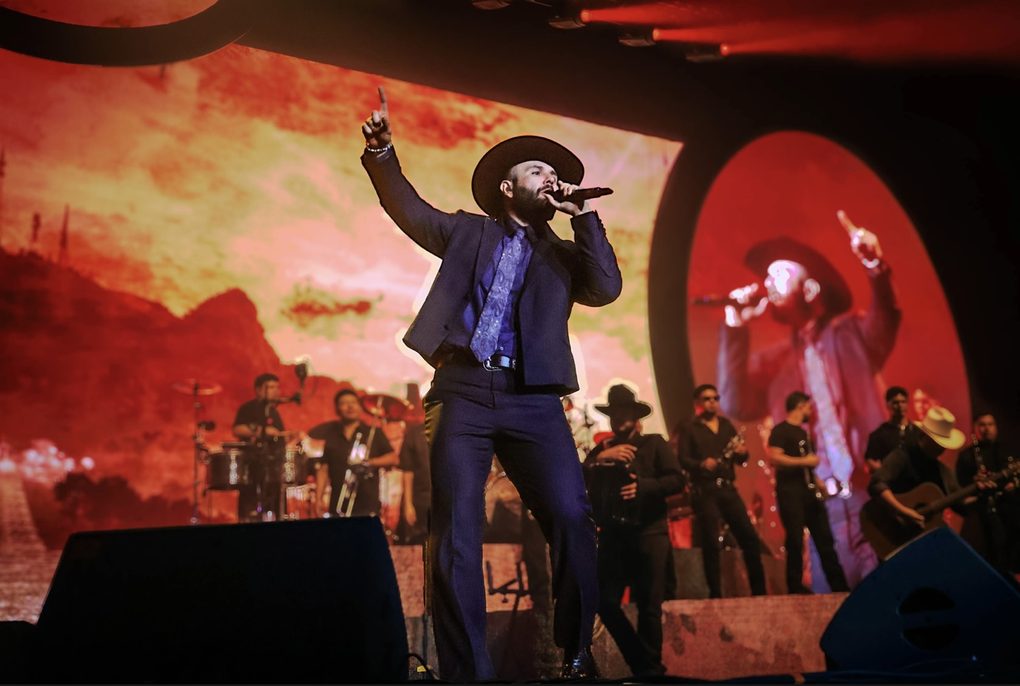
Besides his own hits, León’s love for Mexican music shone throughout the covers he performed. He put a distinct norteño spin on Maná’s classic Vivir Sin Aire and brought a fresh twist to Eros Ramazzotti’s catalog, supported by female backing vocals and a twangy, beachy guitar solo. Later in the night, he brought out Paloma Ledgard for an emotional duet on Te Lo Agradezco, captivating the arena.

What elevates a Carín León show is his effortless, charismatic stage presence. Whether air-playing guitar and accordion, casually flipping his mic like a drumstick, handing out a beverage mid-song, or swapping his tejana for a baseball cap during a lively banda sequence, he kept the energy unpretentious, intimate, and familiar.
Before continuing his set, he dedicated songs to all the “ovejas negras” (black sheep) of the world under glowing red lights with tequila in hand, and led the audience in celebratory chants of “¡Que viva la música, que viva la música más (curada) del mundo: la música en español!”
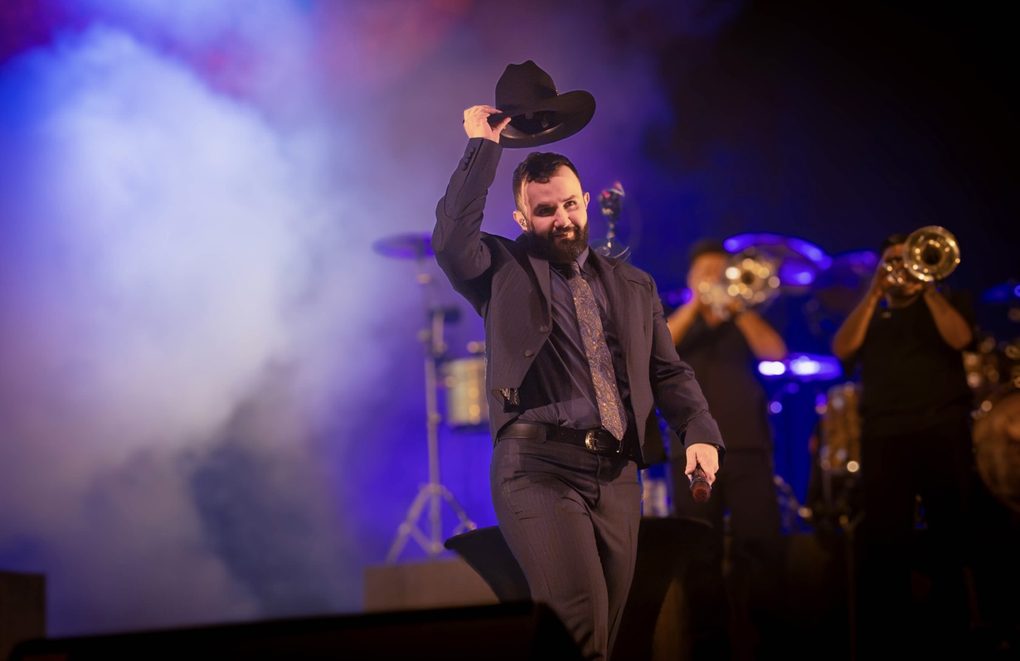
As his set reached its finale, León asked for a massive round of applause for his band and the music before launching into his final song. The show reached a crescendo with a drum solo punctuated by blaring trumpets that echoed throughout the arena. León signed off with a heartfelt “muchísimas gracias por esta grandiosa noche y que Dios los bendiga, mi gente bonita.” It was a triumphant performance that proved Spanish-language music’s current era is ever-expanding.